2026-09-14
How to choose the right IP and Ex rating for hazardous-area lighting
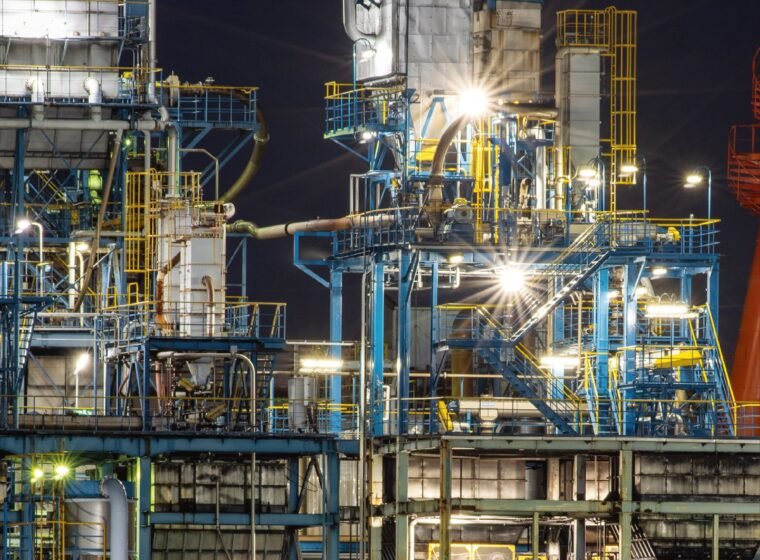
IP, Ex marking, zone and temperature class all describe different risks. Here is how they fit together.
Read moreThe first digit covers solids, the second covers liquids. Both IP66 and IP67 are fully dust-tight (6). The difference is entirely in the second digit.
For almost every outdoor floodlight, street light and high bay, IP66 is sufficient and cheaper. IP67 earns its premium in three cases: fittings mounted below 300 mm from the ground, areas that flood seasonally, and food or chemical plants with regular hose-down or immersion risk.
IP is measured on a new fitting. What decides ten-year performance is the gasket: its material, its compression and whether the housing has a breather to equalise pressure. A fitting that cycles temperature daily without a breather will pump moisture inside regardless of its IP number.
That is why PangDun carries a breather valve as standard and why we test gaskets after 1,000 hours of thermal cycling, not only on the day of assembly.
Keep reading
IP, Ex marking, zone and temperature class all describe different risks. Here is how they fit together.
Read more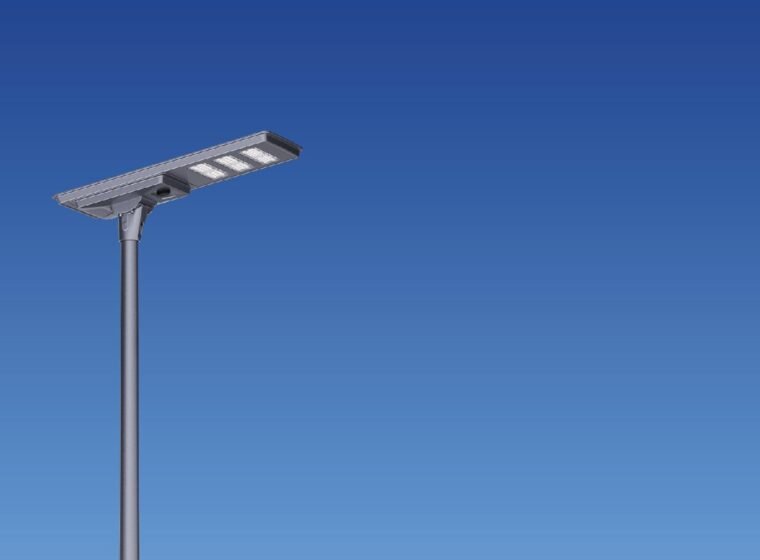
High ambient temperature changes the panel, the battery and the controller. Here is how we size it.
Read more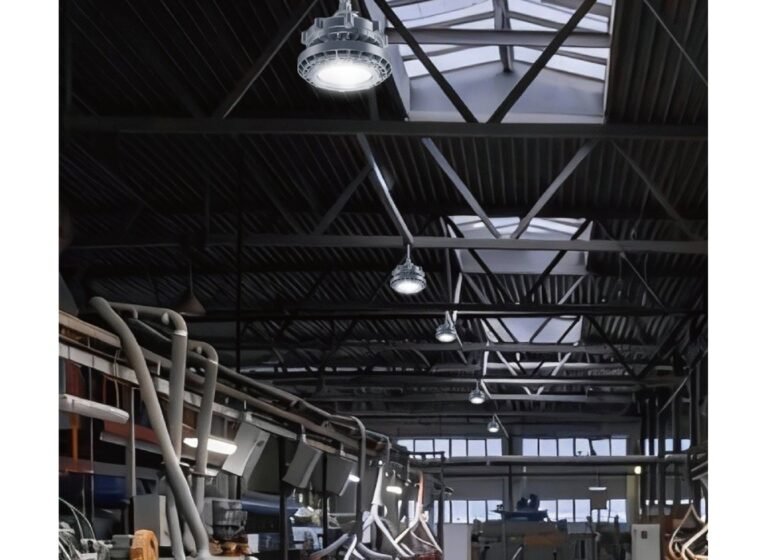
The purchase price is a fraction of the total. Access time, scaffold hire and downtime dominate.
Read more