2026-09-14
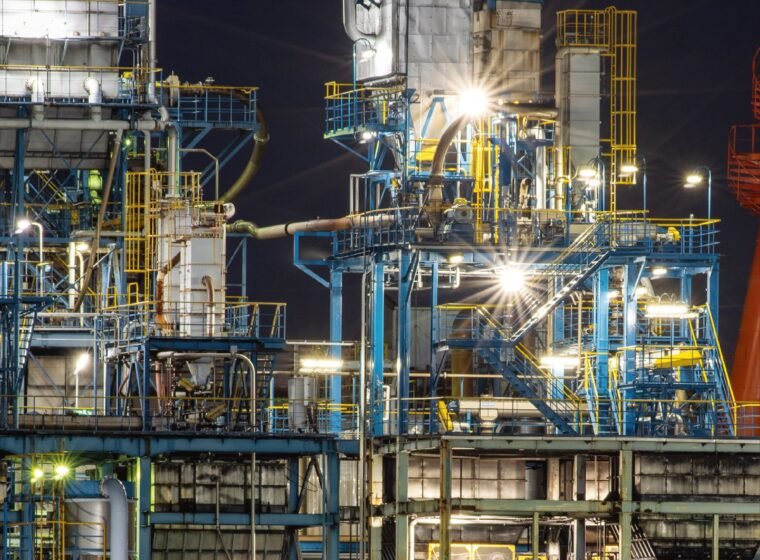
How to choose the right IP and Ex rating for hazardous-area lighting
IP, Ex marking, zone and temperature class all describe different risks. Here is how they fit together.
Read moreSolar street lighting in Gulf climates fails in the same two places: the battery and the driver. Everything else is comparatively easy.
Lead-acid loses cycle life rapidly above 35 °C. LiFePO4 handles the heat far better — more than 2,000 cycles with a depth of discharge above 95 % — but it still needs a BMS with temperature protection and enough volume around it to breathe. Steelman housings place the battery in a ventilated chamber, not against the LED heat sink.
A panel rated 100 W at STC produces noticeably less at 60 °C cell temperature. We size the panel using local peak sun hours and a temperature derating factor, not the nameplate figure.
Dust on the panel is the biggest real-world capacity loss in the region. We design with three to five autonomy nights and recommend a cleaning schedule, because after a sandstorm a panel can lose a third of its output until it is washed.
Keep reading
IP, Ex marking, zone and temperature class all describe different risks. Here is how they fit together.
Read more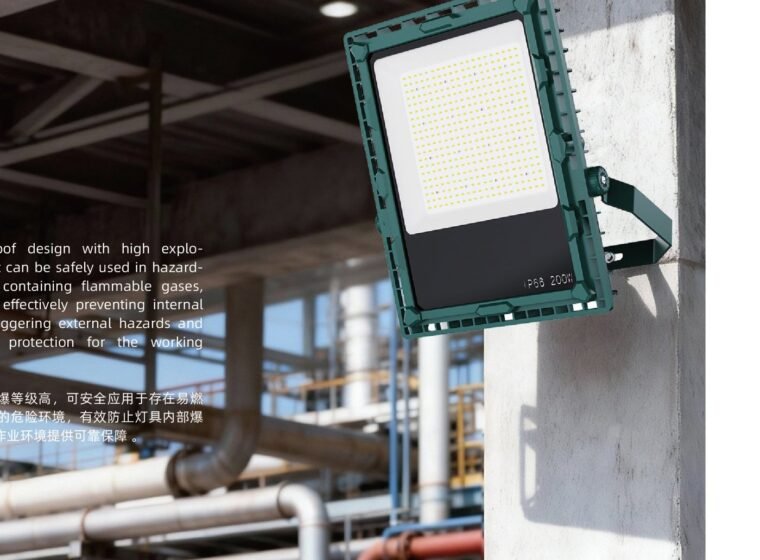
Both look impressive on a datasheet. The difference matters only in a few real situations.
Read more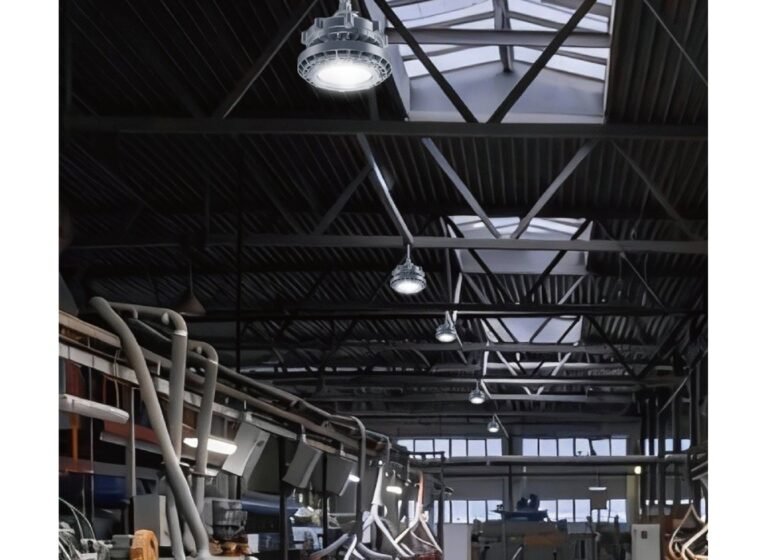
The purchase price is a fraction of the total. Access time, scaffold hire and downtime dominate.
Read more